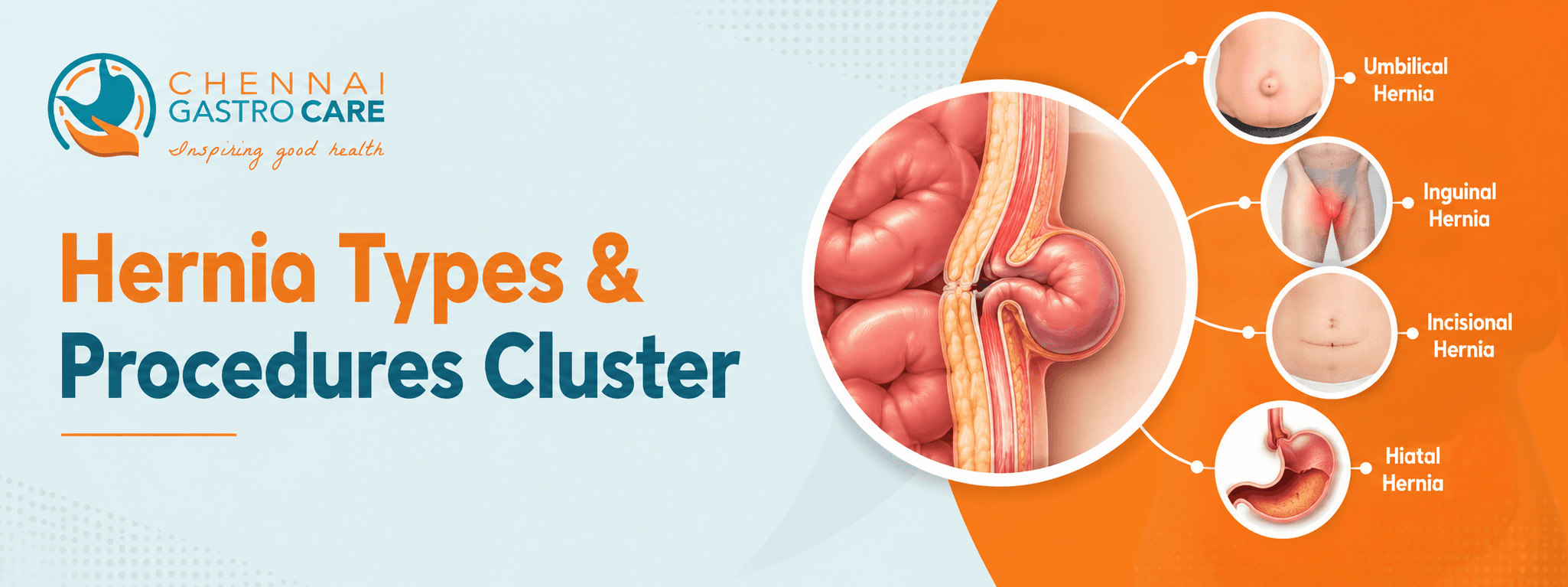

A hernia occurs when an organ or tissue pushes through a weak spot in the surrounding muscle or tissue wall, creating a noticeable bulge or lump. While some hernias cause minimal discomfort, others can lead to serious complications if left untreated. This comprehensive guide explains the different types of hernias, helps you understand your symptoms, and walks you through the treatment options available to you.
What is a Hernia and Why It Matters
A hernia develops when internal organs or tissue protrude through a gap in the muscle or connective tissue that normally contains them. The weakening can result from age, previous surgery, chronic coughing, heavy lifting, or pregnancy. While hernias are not always life-threatening, they do not heal on their own and may gradually enlarge over time. Understanding the nature of a hernia helps you make informed decisions about when treatment is necessary. Some people live with small hernias for years without significant problems, while others experience pain, discomfort, or complications that require prompt medical attention. The risk of serious complications, such as tissue becoming trapped and losing blood supply, increases when a hernia grows larger or when you engage in strenuous activities.
Common Types of Hernias Explained
Hernias are classified based on their location in the body. Each type presents differently and may require different treatment approaches. Understanding which type you have helps your doctor recommend the most appropriate management plan. The location of the hernia determines which organs or tissues are affected and influences the urgency of treatment. Some types are more common than others, and certain age groups and activities increase the risk for specific hernia types. Knowledge of these distinctions empowers you to have meaningful conversations with your healthcare provider about your condition.
Inguinal Hernia: The Most Frequent Type
Inguinal hernias are the most common type, accounting for the majority of all hernia cases. They develop in the inguinal canal, a passageway in the groin where blood vessels and nerves pass through. In men, the spermatic cord also travels through this canal. When the muscle wall weakens, tissue from inside the abdomen can push through, creating a bulge in the groin or scrotum. Men are significantly more likely to develop inguinal hernias than women, though women can develop them too. These hernias often feel like a lump that appears when you stand, cough, or lift heavy objects and may disappear when you lie down. While many inguinal hernias cause no pain, some produce a pulling sensation, heaviness, or sharp discomfort in the groin area.
Umbilical and Ventral Hernias
Umbilical hernias appear as a bulge or swelling near the belly button. They form when the opening in the abdominal muscles through which blood vessels pass before birth does not close completely. Umbilical hernias are common in newborns and are visible when the baby cries, coughs, or strains during bowel movements. Many umbilical hernias close on their own by age five or six. Ventral hernias, also called incisional hernias, develop along the lines of previous abdominal surgery. These occur when the surgical incision does not heal properly or when the repaired muscle weakens over time. Risk factors for ventral hernias include infection at the surgery site, obesity, and excessive physical strain during the healing period. Both types can be managed conservatively if they cause no pain or complications, though surgery may be recommended if they enlarge or cause discomfort.
Hiatal and Other Internal Hernias
Hiatal hernias occur when part of the stomach pushes through the diaphragm into the chest cavity. The diaphragm is the muscle that separates your lungs from your abdominal organs and plays a crucial role in breathing. A hiatal hernia allows stomach acid to reflux into the esophagus more easily, causing heartburn and acid reflux symptoms. Many people with small hiatal hernias experience no symptoms at all and may never know they have one. Larger hiatal hernias can cause significant discomfort, persistent heartburn, regurgitation, and difficulty swallowing. Unlike external hernias that form a visible bulge, hiatal hernias are internal and not visible from the outside. Other less common hernias include femoral hernias in the upper thigh and Spigelian hernias along the edge of the rectus abdominis muscle. These types require specialized evaluation and may have different treatment recommendations.
Recognizing Hernia Symptoms
Symptoms vary widely depending on the hernia type and size. External hernias like inguinal or umbilical types often present as a visible bulge or swelling that may be tender to touch. The bulge may disappear when you lie down and reappear when you stand or strain. Some people experience no pain from external hernias, while others feel a pulling sensation, aching, or sharp pain. Internal hernias like hiatal hernias may cause heartburn, chest discomfort, or difficulty swallowing rather than a visible lump. Certain activities often trigger hernia symptoms: heavy lifting, coughing, straining during bowel movements, or prolonged standing. The severity of symptoms does not necessarily correlate with the size of the hernia. A small hernia may cause significant pain while a large one causes minimal discomfort. If you experience sudden severe pain, nausea, or vomiting associated with a hernia, seek immediate medical attention as this may indicate a trapped hernia.
When Should You Seek Medical Care
You should consult a doctor if you:
- Notice a persistent lump or bulge in your groin, abdomen, or another area, even if it is painless.
- Have an existing hernia that causes pain or discomfort.
- Notice that the hernia is growing larger or becoming more prominent.
- Find that your hernia is interfering with daily activities.
- Experience acid reflux, frequent heartburn, or difficulty swallowing, which may be associated with a hiatal hernia.
- Have symptoms that are getting worse or changing over time.


Diagnosis and Evaluation Process
Your doctor may use the following methods to diagnose a hernia:
- Medical history: Your doctor will ask about your symptoms, medical history, and activities that may trigger symptoms.
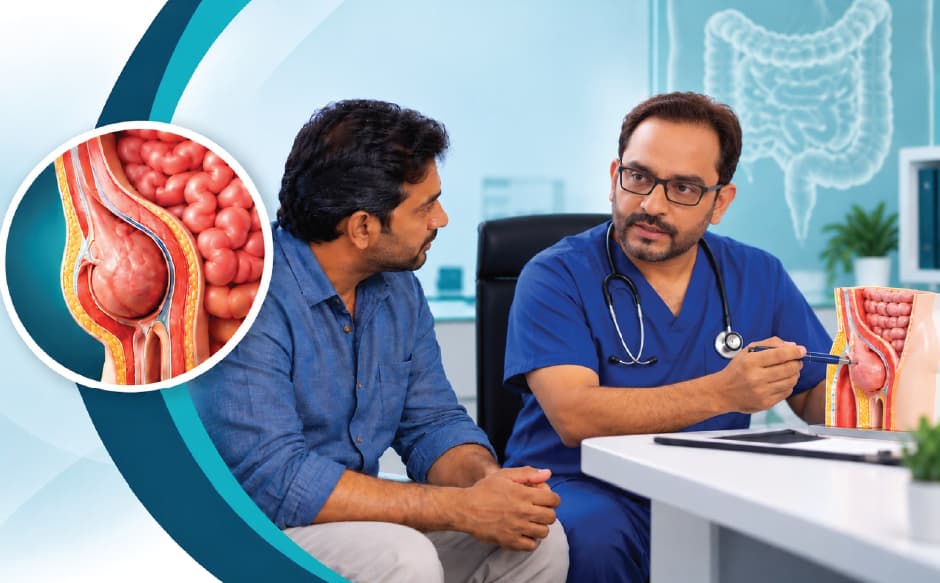
- Physical examination: You may be asked to stand, cough, or strain so the doctor can examine the hernia and assess its characteristics.
- Ultrasound: Often used as a first imaging test for external hernias. It is non-invasive and does not involve radiation.
- Upper endoscopy: May be recommended for hiatal hernias to examine the esophagus and stomach using a thin camera.
- Barium X-ray: Helps assess the position of the esophagus and stomach, particularly for hiatal hernias.
- CT scan: Provides detailed images and may be used when the diagnosis is uncertain or when planning surgery.
Conservative Management and Watchful Waiting
Many people with hernias manage their condition successfully without surgery, particularly when the hernia is small and causes minimal symptoms. Conservative management focuses on preventing hernia growth and reducing discomfort through lifestyle modifications. Avoiding heavy lifting is one of the most important recommendations; if you must lift something heavy, bend at your knees rather than your waist and tighten your abdominal muscles. Preventing constipation reduces straining during bowel movements, which increases abdominal pressure. Eating a high-fiber diet, drinking adequate water, and taking prescribed stool softeners if needed can help prevent constipation. Managing chronic cough by treating underlying respiratory conditions also reduces hernia-related strain. Maintaining a healthy weight through balanced diet and appropriate exercise reduces pressure on the abdominal wall. For hiatal hernias, avoiding large meals, acidic foods, and lying down soon after eating can reduce reflux symptoms. Wearing an abdominal support garment may provide comfort for some people. Regular follow-up appointments allow your doctor to monitor the hernia and detect any changes that might indicate a need for surgical intervention.
Surgical Treatment: Open Repair
When surgery becomes necessary, your surgeon can choose between open repair and minimally invasive approaches. Open hernia repair is a traditional surgical technique that remains effective and is performed by surgeons worldwide. During open repair, the surgeon makes an incision directly over the hernia site, allowing visualization and access to the weakened area. The bulging tissue is gently pushed back into place, and the muscle wall is strengthened and closed using sutures or a special mesh material. Mesh reinforcement has become standard practice because it significantly reduces the recurrence rate compared to suture-only repair. The surgeon may use different types of mesh depending on your specific situation and medical history. Open repair typically takes 20 to 30 minutes for uncomplicated cases, though the actual time varies based on hernia type and complexity. This approach allows the surgeon excellent visualization and direct access to the hernia, making it reliable and effective. Open repair has been performed for decades with excellent safety records and predictable outcomes.
Minimally Invasive Laparoscopic Surgery
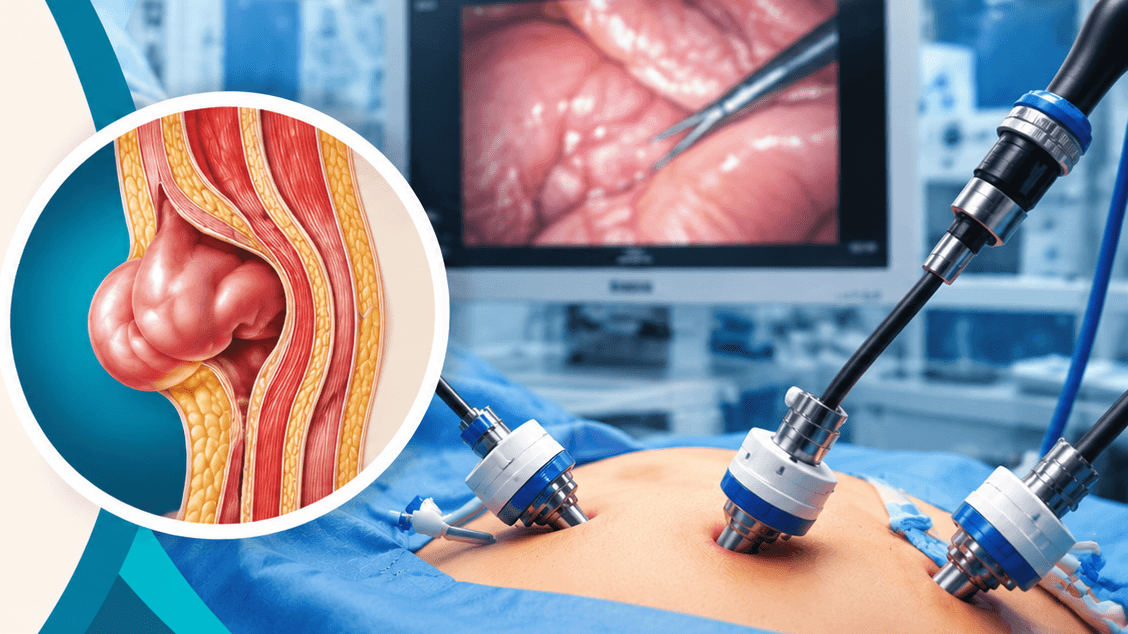
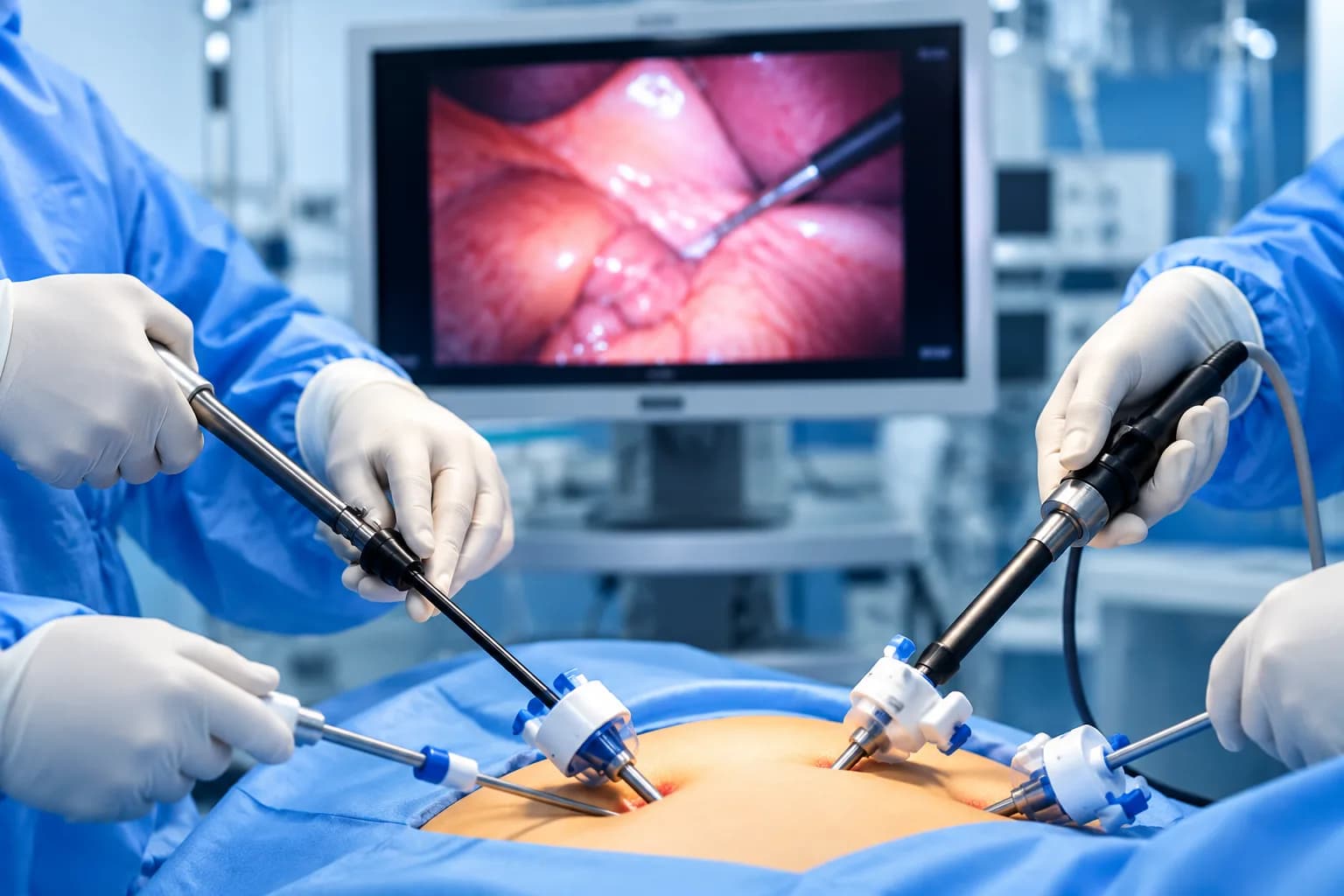
Laparoscopic hernia repair offers several advantages for appropriate candidates and has become increasingly popular. This technique uses small incisions through which a laparoscope (a thin camera) and specialized instruments are inserted. The surgeon views the hernia site on a monitor and repairs it using these instruments without making a large incision. Because laparoscopic surgery involves smaller incisions, patients typically experience less postoperative pain, faster recovery, and quicker return to normal activities compared to open repair. The smaller wounds reduce the risk of infection and wound complications. Hospital stay is often shorter with laparoscopic surgery, with many patients going home the same day or next day. The technique is particularly advantageous for large hernias, bilateral hernias (on both sides), and recurrent hernias.Laparoscopic repair requires specialized equipment and surgeon expertise, which may influence availability at different surgical centers.
Recovery and Aftercare Following Surgery
Recovery time varies between open and laparoscopic approaches. After open repair, most people can resume light activities within two to three weeks. Returning to strenuous activities, heavy lifting, and intense exercise typically takes four to six weeks or longer. Pain is usually controlled with prescribed medications during the immediate postoperative period. Your surgical team will provide specific instructions about wound care, bathing, and activity restrictions. Following these instructions carefully reduces infection risk and promotes proper healing. You will have follow-up appointments to monitor your recovery and ensure the repair is healing well. Some swelling, bruising, and mild discomfort are normal after surgery. Most people report significant improvement in their symptoms once healed. After laparoscopic surgery, recovery is typically faster, with many people returning to light work within one to two weeks and full activities within three to four weeks. Regardless of surgical approach, avoiding heavy lifting and strenuous activity during the healing period is crucial.
Preventing Hernia Recurrence
You can reduce the risk of hernia recurrence by:
- Following your surgeon’s recovery instructions and avoiding heavy lifting or strenuous activities during the healing period.
- Using proper lifting techniques, bend your knees, keep objects close to your body, and engage your abdominal muscles.
- Maintaining a healthy weight through a balanced diet and regular physical activity.
- Managing chronic cough, constipation, and straining, which can increase pressure on the abdominal wall.
- Quitting smoking to support wound healing and reduce cough-related complications.
- Avoiding an early return to strenuous work or exercise until your surgeon confirms it is safe.
- Attending regular follow-up appointments to monitor healing and identify early signs of recurrence.
- If you have genetic or connective tissue conditions that increase hernia risk, take extra care with weight management and physical activity.
Modern surgical techniques, including mesh-reinforced repair, can also help reduce the risk of recurrence compared with traditional suture-only repairs.
If you suspect you have a hernia or have been told you need surgical repair, our experienced surgical team in Chennai specializes in hernia management using both traditional open and advanced laparoscopic techniques. Contact us today to schedule a consultation and discuss which treatment approach is right for your condition.