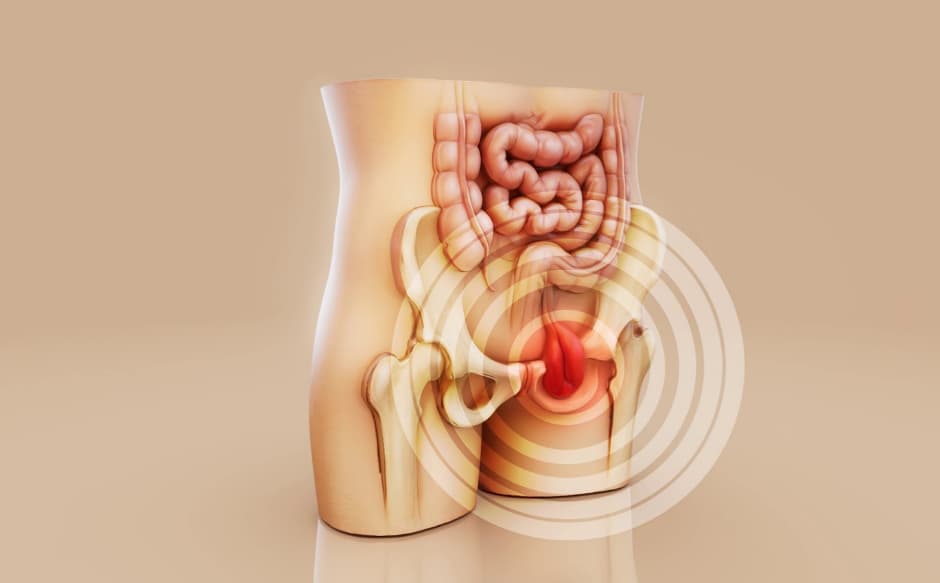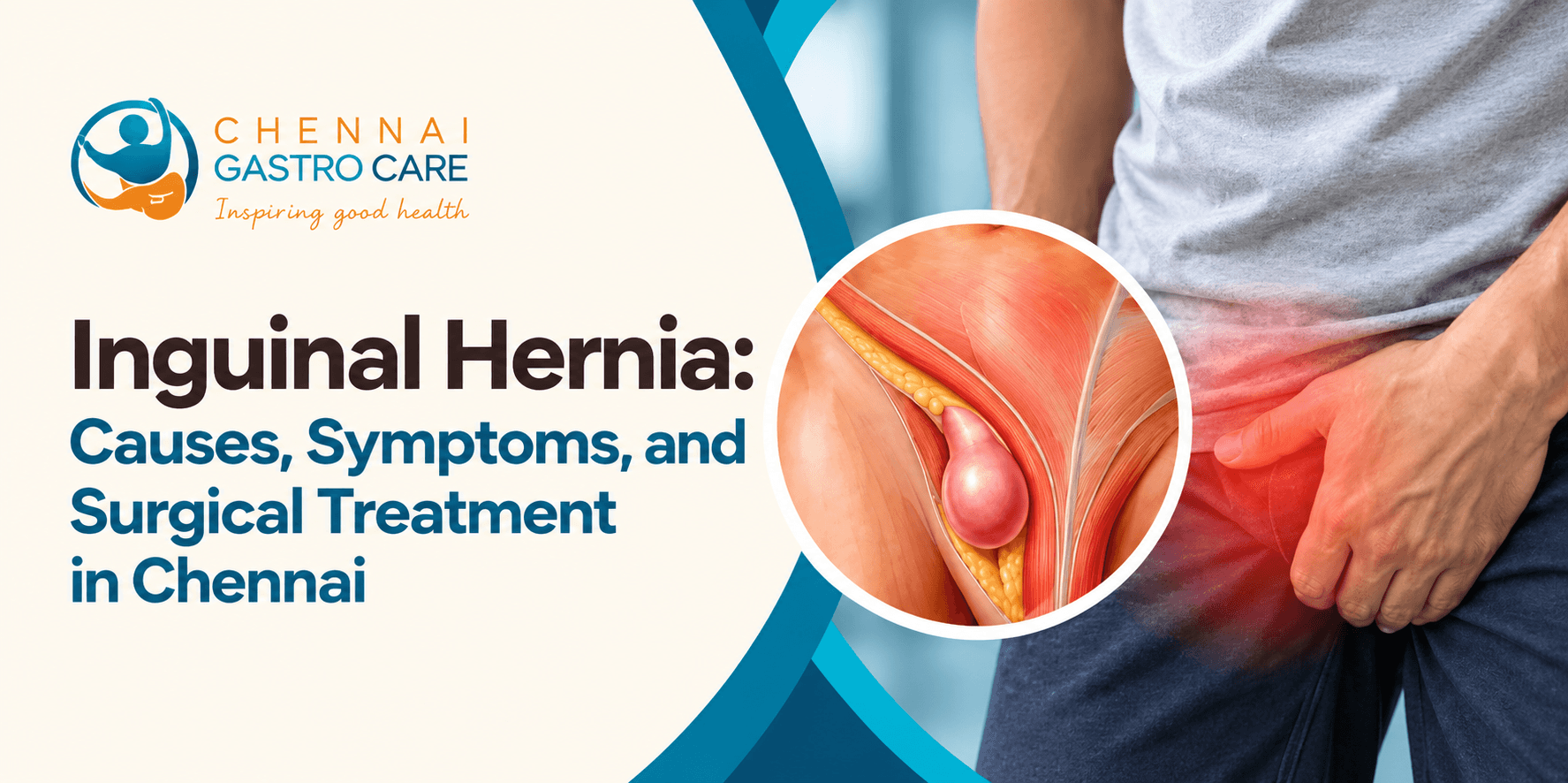

An inguinal hernia occurs when tissue pushes through a weak area in your lower abdominal wall muscle, creating a bulge in the groin or lower belly. This is one of the most common types of hernia, affecting millions of people worldwide. Early recognition of symptoms and timely surgical repair can prevent complications and restore your comfort and mobility.
What is an Inguinal Hernia and Why It Matters
An inguinal hernia develops when part of your intestine or fatty tissue protrudes through a weak point in the abdominal muscles near your groin. The two types are direct hernias, which push straight through the muscle wall, and indirect hernias, which follow a natural passage called the inguinal canal that's present from birth. Unlike some other abdominal conditions, an inguinal hernia will not heal on its own and may grow larger over time. While not always immediately dangerous, hernias can become painful, interfere with daily activities, and in rare cases, lead to a trapped or strangulated hernia, a surgical emergency. Understanding what an inguinal hernia is helps you recognise when professional medical evaluation becomes necessary. Many patients live with small, asymptomatic hernias for years, but monitoring by a healthcare provider ensures you know when intervention is right for you.
What Causes an Inguinal Hernia to Develop
Inguinal hernias result from a combination of weakness in the abdominal muscles and pressure inside the abdomen. Common risk factors include age, hernias are more common after age 40, chronic coughing from smoking or lung disease, constipation and straining during bowel movements, heavy lifting, obesity, and family history. Pregnancy can increase risk in women by stretching abdominal muscles. Male gender is a significant factor, as men are ten times more likely to develop inguinal hernias than women, partly due to the natural anatomy of the inguinal canal. Repeated stress on the abdominal wall through occupational activities or intense exercise may also contribute. Certain conditions like chronic kidney disease or connective tissue disorders increase weakness. Understanding your personal risk factors, especially if you have a family history, allows you to take preventive steps and seek timely evaluation if symptoms emerge.
How to Recognise the Symptoms of an Inguinal Hernia
An inguinal hernia occurs when tissue pushes through a weak spot in the lower abdominal wall, causing a bulge in the groin. Common inguinal hernia symptoms include:
- Groin Bulge or Swelling: A noticeable lump in the groin or lower abdomen that becomes more visible when standing, coughing, or straining.
- Groin Pain or Discomfort: Aching or pain in the affected area, especially after heavy lifting, prolonged standing, or physical activity.
- Burning or Dragging Sensation: Some people experience a burning, pressure-like, or dragging sensation in the groin.
- Scrotal Swelling in Men: The hernia may extend into the scrotum, causing swelling, enlargement, or a feeling of heaviness on one side.
- Symptoms That Worsen With Activity: The bulge or discomfort may become more noticeable when coughing, bending, lifting, or straining.
- No Noticeable Symptoms: Small inguinal hernias may cause no symptoms and may only be detected during a routine physical examination.
When to Seek Emergency Medical Care
Seek immediate medical attention if you experience any of the following symptoms, as they may indicate a trapped or strangulated hernia:
- Sudden or severe groin pain.
- A bulge that becomes firm, tender, or cannot be pushed back in.
- Redness or darkening of the skin over the bulge.
- Nausea or vomiting.
- Difficulty passing stool or gas.
Important: A strangulated inguinal hernia can cut off the blood supply to the trapped tissue and requires emergency treatment. Early diagnosis and appropriate medical care can help prevent serious complications.


Diagnosis and When You Should Seek Medical Help
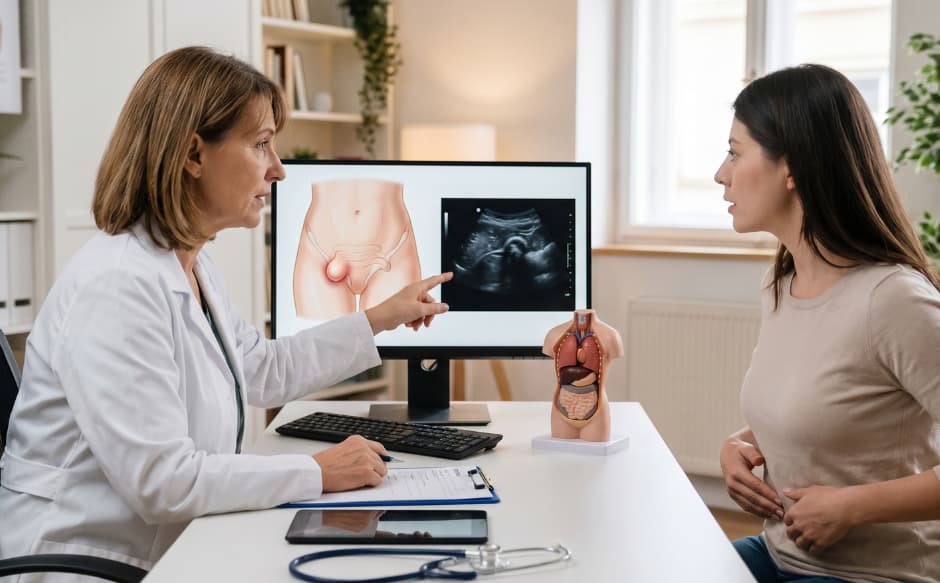
Diagnosis of an inguinal hernia typically begins with a physical examination by your doctor. They will ask about your symptoms, examine the area while you stand and lie down, and may ask you to cough or strain to make the hernia more visible. Ultrasound imaging provides clear pictures of the hernia's size and contents and is often used to confirm diagnosis. In some cases, computed tomography (CT) scan may be ordered if the diagnosis is unclear or to evaluate complex hernias. You should consult a doctor if you notice a bulge in your groin, experience persistent pain or discomfort, find that the hernia interferes with work or daily activities, or if you have a family history of hernias and want preventive guidance. Early evaluation allows your surgeon to discuss whether conservative monitoring or surgical repair is most appropriate for your situation. Do not wait for a hernia to become painful or larger; timely professional assessment protects your quality of life.
Surgical Repair Options for Inguinal Hernias
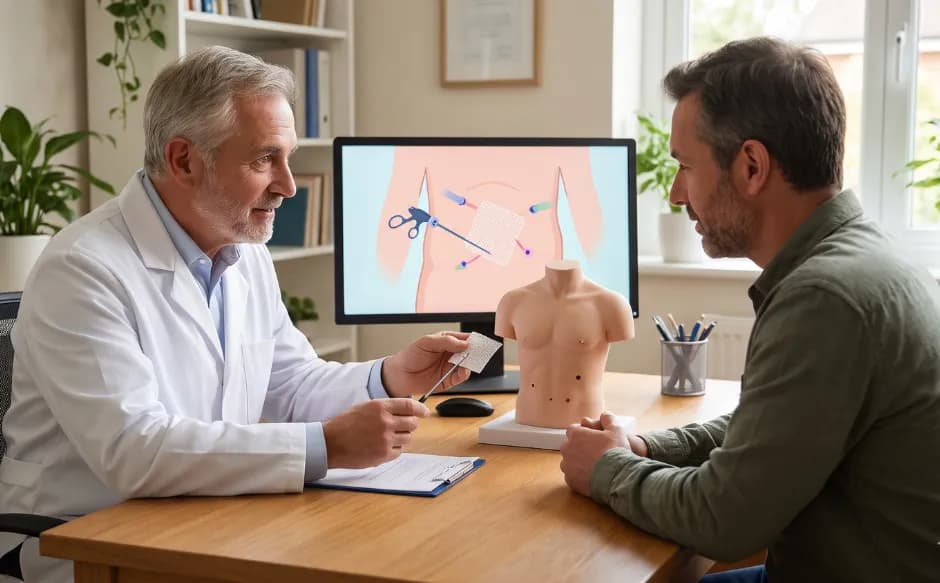
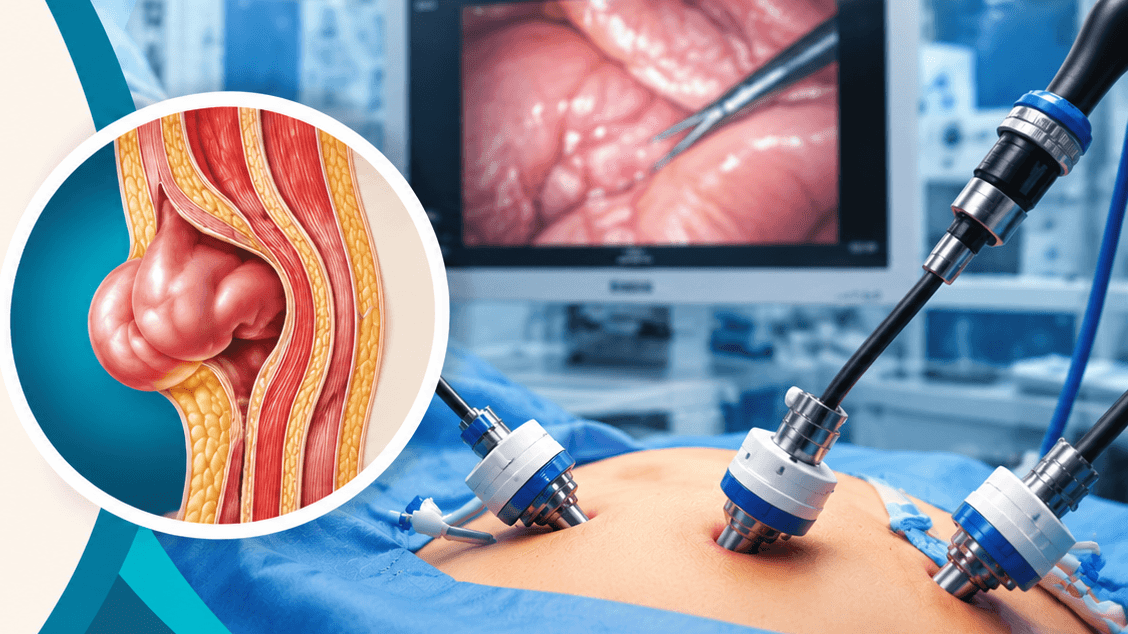
Surgical repair, or hernioplasty, is the definitive treatment for symptomatic inguinal hernias. Three main approaches exist: open repair, laparoscopic (minimally invasive) repair, and robotic-assisted repair. Open hernia repair involves a single incision over the hernia site; the surgeon pushes the tissue back and reinforces the weak area with mesh or sutures. This approach carries longer recovery time but is effective and suitable for most patients. Laparoscopic hernia repair uses three to four small incisions through which a camera and instruments pass; the surgeon works from inside the abdomen to repair the defect. Recovery is faster, with less postoperative pain and earlier return to activities. Robotic-assisted repair combines the precision of robotics with laparoscopic benefits, offering excellent visualization and control. Your surgeon will recommend the best approach based on hernia type, size, whether it is your first or recurrent hernia, and your overall health. At our centre in Chennai, our general surgeons perform all three techniques, tailoring each repair to your individual needs.
What to Expect During Your Recovery
Recovery after surgery depends on the surgical technique and your overall health. Here’s what to expect during the healing process:
- Hospital Stay: After laparoscopic surgery, most patients return home the same day or after an overnight stay.
- Common Post-Surgery Symptoms: Mild soreness, bruising around the incisions, and nausea may occur. These symptoms can usually be managed with prescribed medication and rest.
- Activity Restrictions: Avoid heavy lifting (over 5 kg), strenuous exercise, and driving while taking medications that may affect alertness, especially during the initial recovery period.
- Light Walking: Gentle walking is encouraged to improve blood circulation and reduce the risk of blood clots.
- Diet and Nutrition: Follow a balanced, fiber-rich diet and drink adequate water to prevent constipation and avoid straining during recovery.
- Returning to Work: Many patients can resume desk work within 1-2 weeks, depending on their recovery and the surgeon’s advice.
- Resuming Physical Activities: Gradually return to gym workouts and other strenuous activities, often within 4-6 weeks, as advised by your surgeon.
- Follow-Up Appointments: Attend scheduled follow-up visits to monitor healing and ensure the surgical repair is progressing well.
- Possible Complications: Watch for signs of infection, bleeding, recurrence, or persistent numbness. Contact your surgeon if you notice unusual symptoms, worsening pain, fever, or wound discharge.
Recovery Tip: Following your surgeon’s postoperative instructions and activity restrictions is essential for proper healing and long-term surgical success. Recovery timelines vary, so always follow your surgeon’s individual recommendations.
Why Choose Our Surgical Care in Chennai
Our general surgeons at our hospital in Chennai bring decades of combined experience in hernia repair, performing hundreds of successful procedures annually using open, laparoscopic, and robotic-assisted techniques. We understand that an inguinal hernia disrupts your life, and our priority is restoring your comfort with expert, compassionate care. Our state-of-the-art facilities are accredited by NABH and equipped with advanced imaging, laparoscopic instruments, and robotic surgical platforms, ensuring you receive world-class treatment without travelling abroad. We personalise each repair plan based on your hernia characteristics, surgical history, and lifestyle goals. From your initial consultation through six weeks post-op, our multidisciplinary team, including surgeons, anaesthetists, nurses, and physiotherapists, supports your recovery at every step. We maintain transparent discussions about cost, recovery timelines, and what to expect, so you feel confident and informed. Our commitment is not just successful surgery but your complete wellbeing and swift return to the activities you love.
If you're experiencing groin pain, noticing a bulge in your lower abdomen, or have a family history of hernias, contact our general surgery team at our hospital in Chennai today. Our specialists will evaluate your condition, explain all repair options, and guide you toward the best treatment plan.