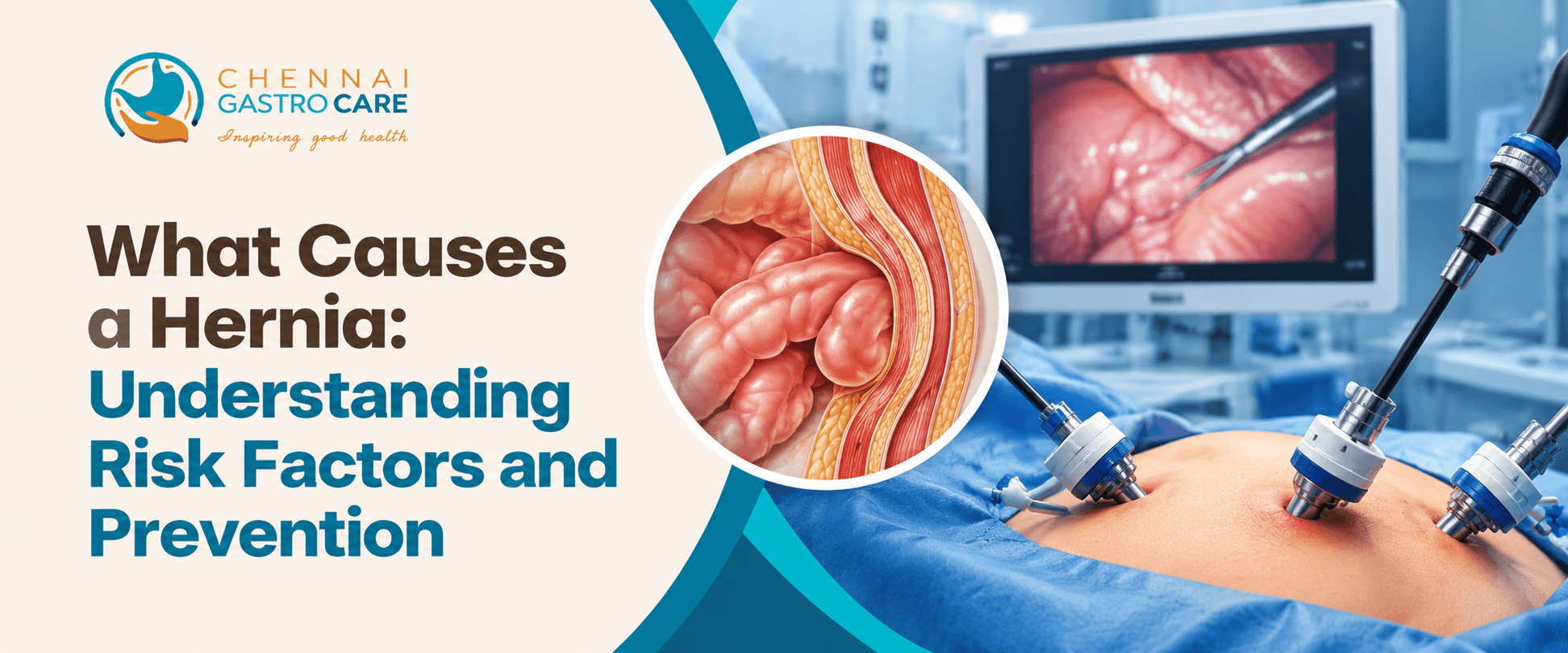

A hernia develops when an internal organ or tissue pushes through a weak spot in the muscle or connective tissue that normally holds it in place. Knowing the causes of hernia and your own risk factors helps you prevent one or catch it early. Most hernias are not life-threatening, but they do not heal on their own and may need specialist evaluation if they enlarge or cause pain.
What Is a Hernia and How Does It Develop?
Two things combine to cause a hernia: a weak area in the abdominal wall and pressure from inside the abdomen pushing against it. The weakness may be present from birth or develop as muscles age. Common locations are the groin, the belly button and the site of a previous surgery. Most hernias start small, with a visible bulge or mild discomfort, and tend to grow if left untreated.
Common Causes of Hernias Across Different Types
Muscle weakness and raised abdominal pressure are the common causes of hernia in every type, but the trigger differs:
- Inguinal hernia: the most common type, about 75% of abdominal wall hernias. A natural weakness in the groin combined with straining, heavy lifting or chronic coughing.
- Umbilical hernia: the opening around the belly button does not close fully after birth. In adults it can develop with obesity, pregnancy or raised abdominal pressure.
- Incisional or ventral hernia: tissue pushes through a weakened area, often at a previous surgical scar. Poor wound healing, infection and abdominal pressure contribute.
- Hiatal hernia: part of the stomach moves up through the diaphragm into the chest. Ageing, weak supporting tissue and abdominal pressure contribute.
- Femoral hernia: tissue pushes through the femoral canal near the upper thigh or groin. Less common, and more frequent in women.
Who Is Most at Risk? Hernia Risk Factors
| Risk factor | Why it raises hernia risk |
|---|---|
| Male sex | Groin anatomy makes inguinal hernias far more common in men |
| Age 40 and above | Muscles weaken naturally over time |
| Family history | Suggests inherited weaker connective tissue |
| COPD, cystic fibrosis, Ehlers-Danlos syndrome | Weaken or repeatedly strain the abdominal wall |
| Obesity | Constant extra pressure on the abdominal wall |
| Pregnancy | Stretches and weakens the abdominal wall |
| Previous abdominal surgery | Scar tissue is weaker than the original muscle |
| Strenuous work (construction, heavy lifting, nursing) | Repeated mechanical stress |


How to Reduce Your Risk of Developing a Hernia
Everyday habits add to or lower the pressure on your abdominal wall:
| Habit that raises risk | What to do instead |
|---|---|
| Heavy lifting or straining | Bend your knees, keep your back straight and engage your core. Avoid sudden heavy exertion if you have risk factors. |
| Constipation and straining on the toilet | Eat fibre-rich foods, drink enough water and treat constipation promptly. |
| Chronic cough from smoking, COPD or allergies | Quit smoking and treat the underlying condition. Smoking also weakens tissue by impairing collagen formation and wound healing. |
| Being overweight | Keep a healthy weight through balanced nutrition and regular exercise. |
| Weak core or sedentary lifestyle | Build core strength gradually with exercises designed by a physiotherapist. |
| Recent surgery | Follow your surgeon's lifting and activity limits until the wound has healed. |
These steps lower the risk factors you can control, but genetics and anatomy mean some people develop a hernia regardless.
When to Seek Specialist Evaluation for a Hernia?
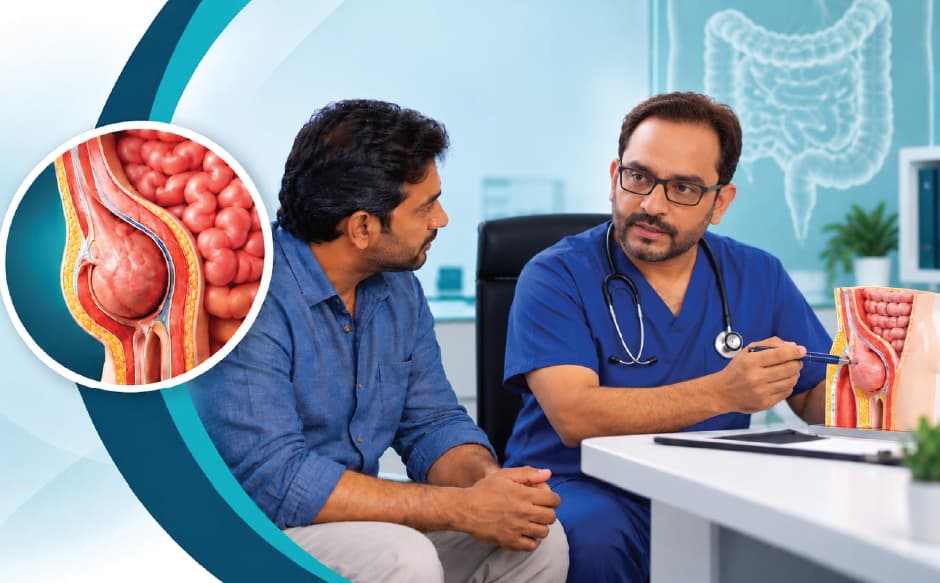
See a specialist if you notice a bulge or lump in the groin, abdomen or near a surgical scar, especially if it is painful when lifting or straining, or has suddenly grown. Even a painless hernia is worth reviewing to confirm its type and size and to decide whether watchful waiting is suitable. A specialist can confirm the diagnosis by examination, often with ultrasound or CT.
Emergency, go to hospital immediately: if the bulge becomes tender, warm or discoloured, or you have nausea, vomiting, or cannot pass stool or gas. These can signal strangulation, a surgical emergency.
Why Choose Our Hernia Care Team
At our hospital in Chennai, our hernia specialists take time to explain your hernia, your risk factors and your options, without pressure.
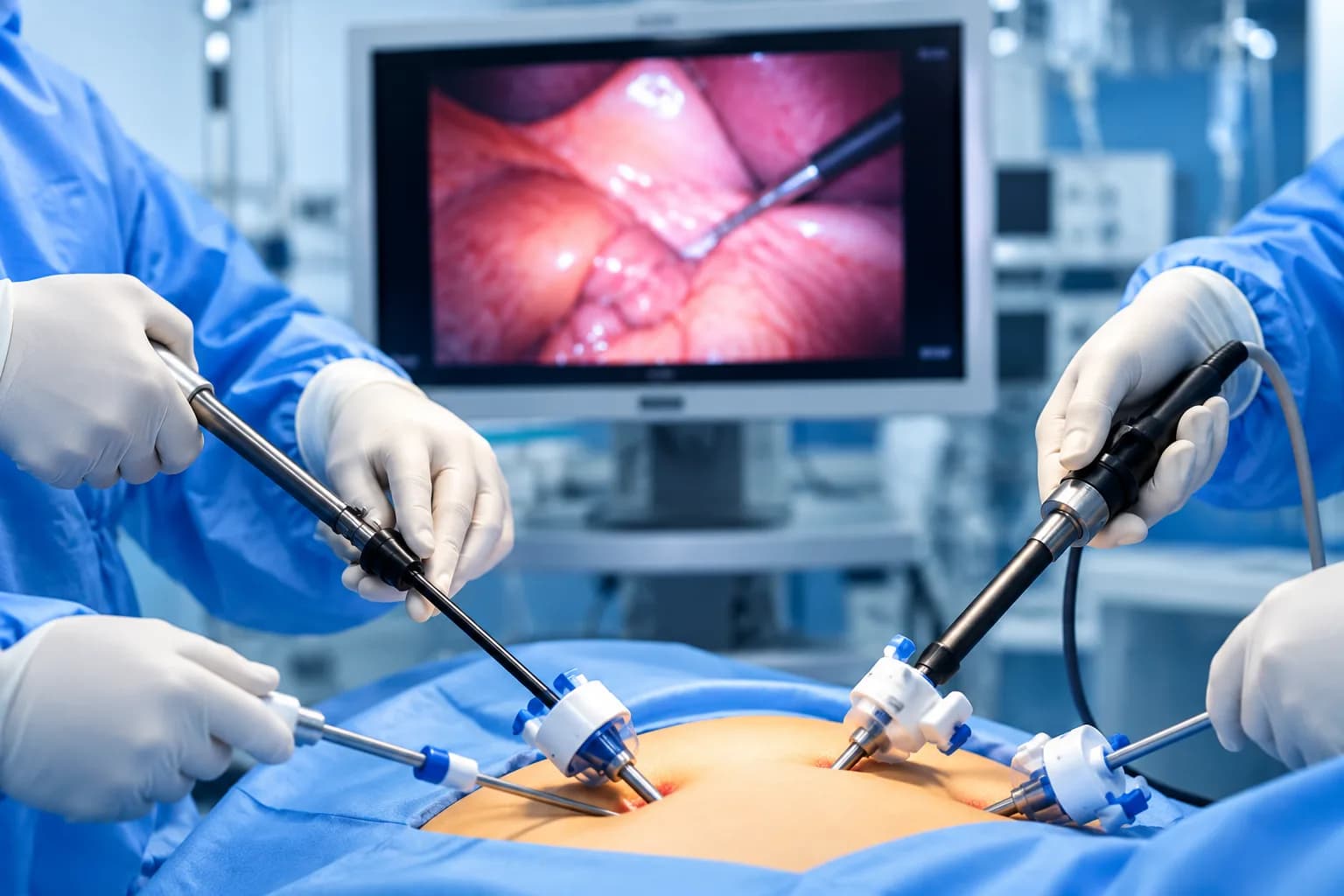
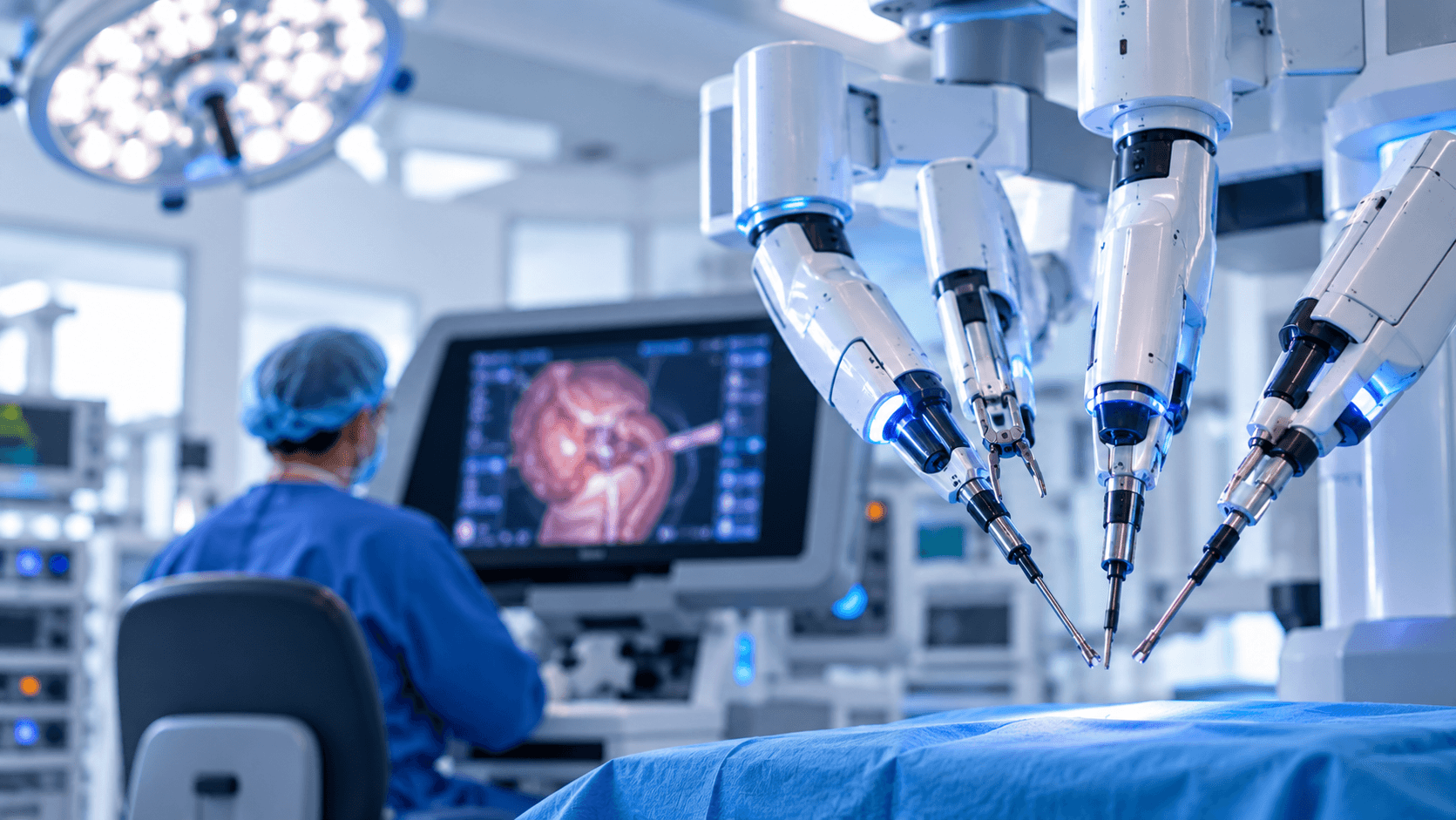
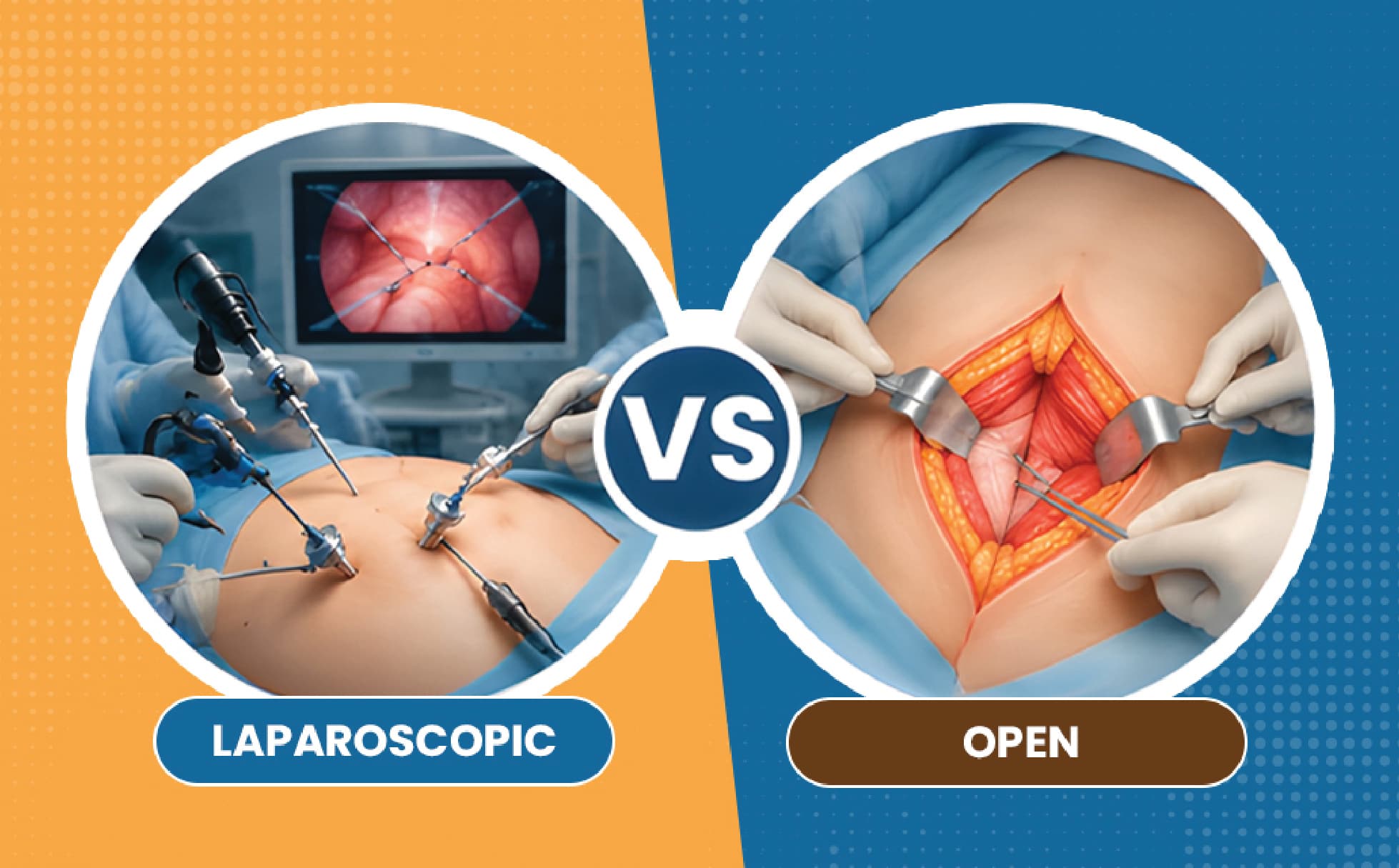
- Laparoscopic and minimally invasive repair for most hernias, with less pain, smaller scars and faster recovery than open surgery
- Ultrasound and high-resolution CT to classify the hernia and plan the right repair
- NABH-accredited, with colorectal, upper GI and bariatric expertise for complex or related conditions
- Clear pre-surgery explanation, plus written discharge and follow-up plans to support healing and reduce recurrence
Concerned about a hernia? Book a consultation with our hernia specialists in Chennai to discuss your care plan.
This article is for general information and does not replace advice from a qualified medical professional.
If you suspect a hernia or have noticed a bulge in your groin or abdomen, do not wait for it to worsen. Our specialist team in Chennai offers expert evaluation and minimally invasive repair options. Contact us today to schedule a consultation and take the first step toward a personalized care plan.